
Emergency Fund: The First Thing to Build Before Any Investment
Why every Pakistani household needs 3-6 months of expenses saved, how much is enough, and where to actually keep it.
Why This Comes Before Everything Else
Medical emergencies. A job ending without notice. A parent needing treatment. A motorbike failing four days before salary day.
Life in Pakistan produces expensive surprises with some regularity, and the question is never whether one arrives but what happens when it does. Without a buffer, every surprise converts into debt — udhaar from relatives, a credit card balance at punishing rates, an app loan, or gold sold at whatever price the market happens to offer on the day you are desperate.
An emergency fund is money reserved only for genuine emergencies. It is not an investment and should not be judged like one. Its entire job is to exist, safely, and to be reachable within a day.
The Real Cost of Not Having One
It is worth being concrete about what the absence costs, because "peace of mind" undersells it considerably.
- •Credit card and app loan rates are among the most expensive borrowing available anywhere in the economy. A Rs 100,000 emergency financed this way and repaid slowly can cost a substantial fraction of the original amount in charges.
- •Selling gold under pressure means accepting the day's price, and distress sales are rarely well timed.
- •Borrowing from relatives carries no interest but a different cost — the relationship shifts, and repayment pressure arrives at awkward moments.
- •Withdrawing from investments early triggers encashment penalties on certificates, or forces you to sell fund units during a downturn.
The emergency fund is not merely defensive. It is the thing that lets you avoid the most expensive forms of money in the country.
How Much is Enough?
Work in months of essential expenses, not months of total spending. Essentials means rent, groceries, utilities, transport, school fees, medicines, and any family support you are genuinely committed to — not dining out or shopping.
- •Starter goal — one month of essentials. This alone handles the majority of everyday emergencies.
- •Standard goal — three months of essentials.
- •Strong goal — six months, particularly for freelancers, business owners, single-earner households, and anyone supporting dependants.
Calculate your essential monthly number first. If essentials run Rs 80,000, the three-month target is Rs 240,000. A specific number is enormously more motivating than "a few months of expenses."
Who genuinely needs six months
- •Freelancers and commission earners — client droughts are not rare events
- •Single-earner households — there is no second income to absorb the shock
- •Business owners — business and household risk arrive together
- •Anyone in a sector with irregular payment cycles
A dual-income household where both partners work in stable salaried jobs can reasonably operate on three.
Where to Keep It
Three requirements: safe, separate, and accessible within roughly a day.
- 1.A separate bank savings account. Not your salary account. The separation is deliberate — money sitting in the account you spend from gets spent, without any decision ever being consciously made.
- 2.No linked debit card on that account. Access should require a transfer, which introduces a pause. The pause is the feature.
- 3.A small amount in a mobile wallet for genuine same-day needs, so you are never stranded waiting on a transfer.
- 4.Not in certificates, committees, or investments. Term certificates carry encashment penalties. Committee money is inaccessible until your turn. Equity funds may be down exactly when you need to sell. All three fail the one test that matters.
- 5.Not as cash at home beyond a modest amount, both for theft risk and because cash at home is the easiest money in the world to spend.
Should it earn profit?
Yes, where possible — a savings account rather than a current account, so it is not losing ground to inflation while it sits. But return is a secondary consideration here. Never accept reduced accessibility in exchange for a better rate on this particular money. That trade is exactly what an emergency fund exists to avoid.
Building It Without Feeling the Pinch
- •Automate the transfer. A standing instruction on the day after payday removes the monthly decision, and the monthly decision is what fails.
- •Start at 5-10% of income. A small amount that actually happens beats an ambitious one that does not.
- •Send windfalls straight in. Bonuses, Eidi, a committee payout, a tax refund, money from selling something unused. This is the fastest route to a funded buffer, and none of it was in your budget anyway.
- •Watch the progress fill. A visible target moving from 40% to 65% to complete sustains effort in a way that an abstract intention does not. AI Finance Tracker's Savings Goals feature exists for precisely this.
- •Bank every reduction. When a subscription is cancelled or a debt is cleared, redirect that exact amount to the fund rather than letting it disappear into general spending.
At 10% of a Rs 80,000 income, a one-month starter fund takes roughly ten months. That feels slow. It is still dramatically faster than the alternative, which for most households is never.
The Rules of Using It
A fund without rules becomes a general savings account, and then it is not there when it is needed.
- •Define an emergency honestly. Medical need, job loss, essential home or vehicle repair, urgent travel for family illness — yes. A sale, a wedding outfit, a phone upgrade, a holiday — no, however tempting the framing.
- •Refill before resuming anything else. After a withdrawal, rebuilding takes priority over other savings goals and over investing.
- •Review the target every year. Inflation raises your essential expenses, so a target set three years ago is now inadequate. If essentials rose from Rs 60,000 to Rs 75,000, the three-month goal moved from Rs 180,000 to Rs 225,000.
- •Do not invest it once it looks large. A complete emergency fund sitting in a savings account feels like idle money. It is not idle; it is insurance. Resisting the urge to deploy it is part of the discipline.
What About Insurance?
An emergency fund and health insurance solve overlapping but different problems. Insurance handles large medical costs; the fund handles everything else, including the deductibles, the travel, the lost income during recovery, and the many expensive events insurance does not cover.
If your employer provides health coverage, understand what it actually includes before assuming it replaces the need for a buffer. It rarely does.
Final Thought
No investment plan survives without this foundation. Investing while carrying no buffer means the first emergency forces you to sell at the worst possible moment, which converts a temporary problem into a permanent loss.
Build the starter month first. Then three. Every financial decision after that — investing, joining a committee, starting a business, changing jobs — becomes a calmer and better decision, because it is no longer being made under the threat of the next surprise.
Get Weekly Finance Tips
Join 500+ Pakistanis getting practical money tips, savings strategies, and budget hacks every Monday.
500+
Subscribers
19
Articles
Weekly
Updates
About the Author
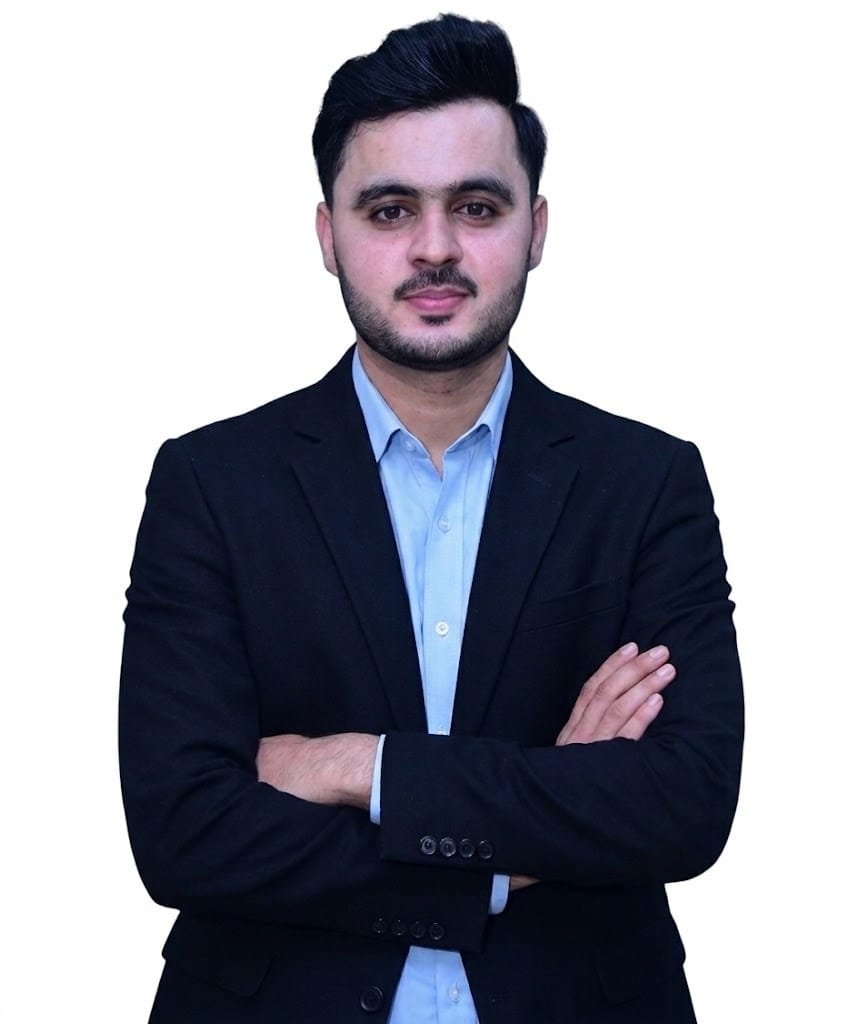
Muhammad Hamid
Founder — AI Finance Tracker
Muhammad Hamid is a web developer from Faisalabad, Pakistan, and the founder of AI Finance Tracker. He holds a Bachelor's degree (BS) from Riphah International University, Faisalabad, and built this platform after finding that global budgeting apps do not handle PKR, cash-first spending, or committee (BC) savings the way Pakistani households actually use them.
He writes these guides from hands-on experience building the product, not as a licensed financial advisor — read more on the About page.
Recommended for You
Meezan Savings Account
Keep your emergency fund in a Shariah-compliant savings account. Profit rates: 5-8% per year.
This is an affiliate link — we may earn a commission at no extra cost to you.